

Traditional sauna and cold plunge, as cold immersion, is a form of contrast therapy that offers a unique approach to enhancing wellness through alternating heat and cold. This practice is not only invigorating but also supports physical recovery and mental clarity. For beginners, understanding the correct method and safety measures is vital. By gradually increasing exposure and focusing on hydration, participants can maximize benefits. As they commence on this journey, the nuances of optimizing each session become essential. What techniques can elevate the experience further?
Understanding the Benefits of Sauna Cold Plunge Contrast Therapy

Sauna cold plunge contrast therapy offers a unique approach to enhancing physical and mental well-being. This method involves alternating between the intense heat of a sauna and the brisk chill of a cold plunge, promoting numerous health benefits.
The heat induces vasodilation, improving blood circulation and aiding muscle recovery, while the cold plunge facilitates vasoconstriction, reducing inflammation and pain. Additionally, this contrast stimulates the body’s natural stress response, enhancing resilience and mental clarity.
Research suggests that such thermal exposure can also boost mood and cognitive function by increasing endorphin levels. Overall, this dynamic therapy not only revitalizes the body but also nurtures mental fortitude, making it an increasingly popular practice among health enthusiasts.
How to Safely Incorporate Contrast Therapy Into Your Routine

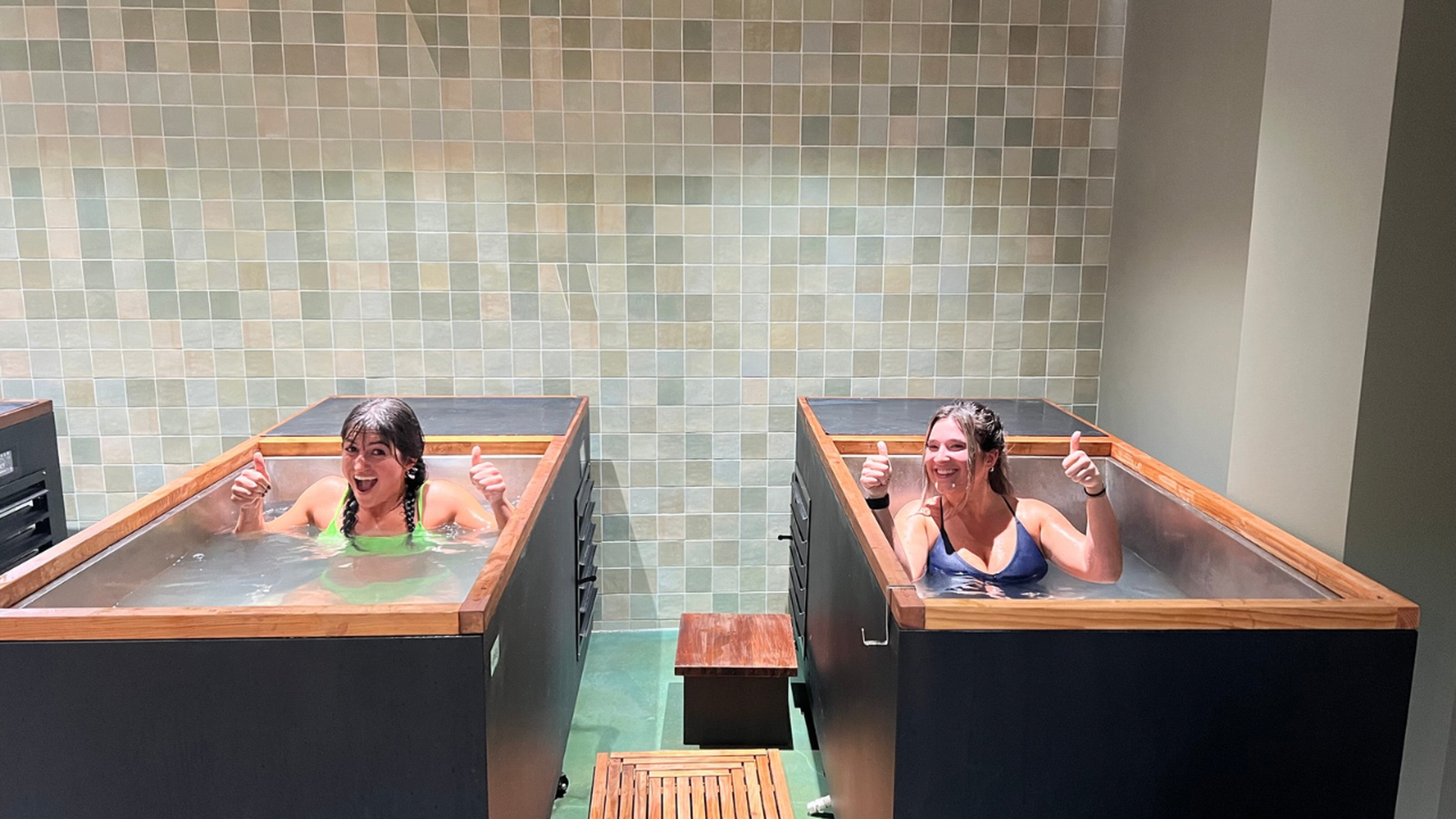
Incorporating Revibe’s own protocol of contrast therapy into a regular wellness routine can be both rewarding and manageable with the right approach. Individuals should start slowly, beginning with shorter sessions in the sauna and cold plunge, gradually increasing duration as their body adapts.
It is vital to listen to one’s body, paying attention to signs of discomfort or fatigue. Establishing a balanced routine, such as alternating between three to five minutes in the sauna followed by one to two minutes in the cold plunge, can optimize benefits.
Staying hydrated before and after sessions is essential, as is ensuring a safe environment to prevent slips or falls. Consulting a healthcare professional before starting is advisable, particularly for those with existing health conditions.
Tips for Maximizing Your Sauna Cold Plunge Experience

Maximizing the benefits of sauna cold plunge contrast therapy involves careful attention to several key factors.
First, timing is essential; alternating between heat and cold should last approximately 3-10 minutes each for ideal results.
Hydration is vital before and after the session to prevent dehydration, which can hinder recovery.
It is advisable to listen to one’s body; if discomfort arises, adjustments in duration and temperature should be made.
Incorporating deep breathing techniques during the sauna phase can enhance relaxation and improve circulation.
Additionally, consistency in practice—aiming for 1-3 sessions per week—will yield the best long-term benefits.
Maintaining a calm and mindful state throughout the experience can enrich the therapeutic effects, promoting both physical and mental well-being.
Conclusion
In summary, sauna cold plunge contrast therapy offers a unique approach to enhancing well-being through the strategic interplay of heat and cold. By understanding its benefits and incorporating it safely into a routine, individuals can access improved mood and resilience. With consistent practice and mindful engagement, the experience becomes not only revitalizing but also a pathway to greater overall health. Embracing this invigorating method can lead to profound physical and mental transformations, making it a worthwhile addition to anyone’s wellness regimen.